Life Rewards and Penalizes
- tags
- #Emotions #Psychology
- published
- reading time
- 4 minutes
I’m not an expert in this, but I have a saying, when I surround myself with a certain kind of people, people who have very pure hearts, who don’t fear feeling, who aren’t guarded, who explore and live fully, they often end up being the ones who suffer the most in every situation. the one who love the most in every relationship. they carry the weight of every room they enter. and what makes this harder is that they rarely know how rare they are.
The problem statement I can formulate for them is this: I want to live fully, with people who are as thoughtful, loving, and playful as I try to be. I prefer a small circle, somewhere between five and ten real friends. but I don’t seem to find them. it often feels like I’m the only person still choosing to feel, and everyone around me has slowly turned numb. what I’ve come to understand is that this isn’t a coincidence, life actually penalizes these people, and I want to be precise about what I mean by that.
There’s a word for what I’m describing when I talk about sensitive people, and it isn’t fragility. it’s not the kind of sensitivity that collapses under pressure. it’s closer to what psychologists call high emotional permeability, to let things pass through you without leaving a mark. in a world that has slowly learned to reward numbness, having a permeable heart means you absorb more of the cost. disappointment hits harder. being misunderstood is genuinely painful, not just inconvenient. and because of this, the world slowly teaches these people to close off, or it breaks them trying.
No one really talks about this plainly: the world is running a kind of selection pressure on personality. something similar to the biological evolution theory, but cultural and systemic, the educational, political, and economic structures that make up the life you’re born into. when you sign up to live inside a system, that system will either reward or penalize who you are, based on how well your traits serve its long term goals. the system doesn’t hate you. it’s just optimizing for something that isn’t you.
Here’s how I think about it. take someone with an intellectual, questioning mind who grows up inside a strictly religious community. most traditional communities are built on inherited trust, you take from the source, mostly the master, without interrogating it, because questioning threatens the whole structure. so the system penalizes curiosity. the smart kid who asks too many questions gets marked as difficult, disrespectful, or dangerous. it isn’t that his thinking is wrong, it’s that his thinking is incompatible with what the system needs to survive.
The same logic applies to personality types more broadly. introversion, for instance, is quietly rewarded by the modern world in ways we don’t acknowledge. the higher your tolerance for solitude, the more easily you can sit with the slow, uncomfortable work that compound growth requires, the home workouts no one sees, the studying that happens alone, the long stretches of building something with no external validation. at the end validation is even harder to get these days. everyone seems so busy that they can’t stop tot see each other’s progress, so when you tolerate that, you can win. extroverts often pay a steeper price inside this kind of fast, individualistic life. I imagine many of them escape to smaller towns, to communities, to anywhere the pace matches their need for closeness and collective meaning. I’m not saying one is better, I’m saying the system wasn’t designed with both in mind equally.
My own learning would have been so much harder if I were an extrovert. I’ve gone years without seeing close friends and felt fine, not because I don’t love them, but because solitude doesn’t drain me the way it drains others. that’s not a virtue. it’s just compatibility. I happen to fit the shape of the world I’m living in. not everyone does. and for the ones who don’t, the world offers two options: adapt, or carry the cost.
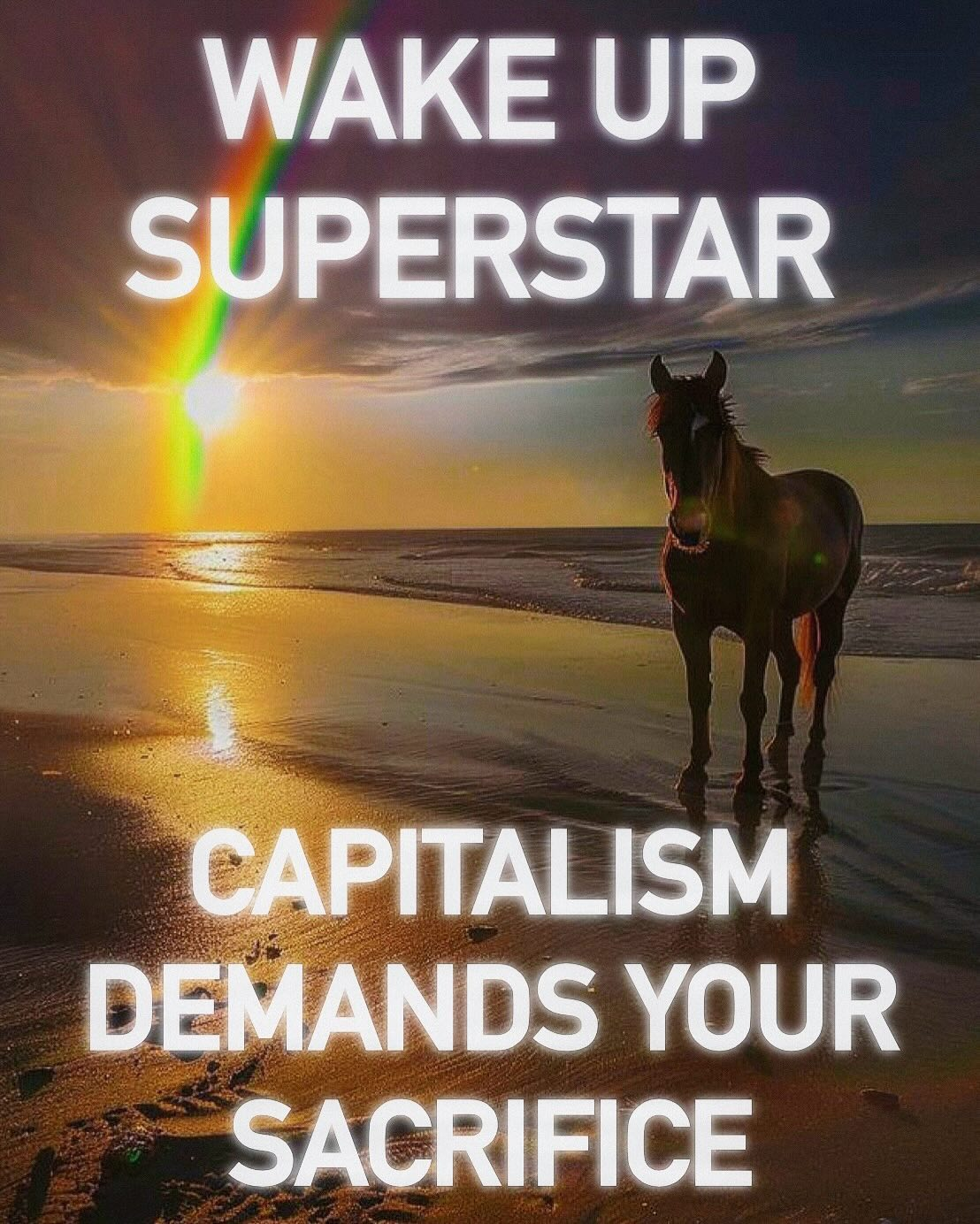
What scares me is the direction this is all moving in. when you make sensitivity expensive enough, people stop being sensitive. not by choice, by survival. the heart doesn’t stop feeling; it just learns to protect itself, to become non-chalant, to treat depth as a liability. and then we wonder why it’s so hard to find people who are truly present. we built the conditions that made presence dangerous. it’s a mix of so many sociological forces, economic, cultural, digital, and I don’t have the space to list all of them here. but the shape of it is clear enough to be frightening.
Life rewards. life penalizes. and the ones it penalizes most are often the ones who are most alive.